
Landmark Climate Reporting Legislation Passed 🌍
TL;DR: Australia’s new mandatory climate reporting laws take effect in 2025. Mid-sized companies need to act now by forming a steering committee, conducting materiality assessments, collecting ESG data, leveraging technology, and aligning their business strategies with sustainability goals. Preparing early ensures competitive advantage to serve large customers facing mounting compliance pressure and positions businesses as sustainability leaders in the market.
In this guide, we’ll break down the steps mid-sized businesses can take to get started with sustainability strategies, from forming a ESG steering committee to material factors, whether your business is in FMCG, fashion, food production, retail NFP or energy, these practical steps will help begin your journey.
AASB passes its first sustainability standards!
On September 20, 2024, the Australian Accounting Standards Board (AASB) approved the inaugural Australian Sustainability Reporting Standards (ASRS) , marking a significant milestone in climate action. The AASB finalized the first two standards S1 and S2, accelerating the nation’s push for corporate transparency on environmental impact. Read more…
This game-changing climate bill passed on August 22, 2024 by the Australian Senate introduces, mandatory reporting laws taking effect from January 2025 for Large companies and Mid-tier businesses will follow suit by 2026 including scope 3 reporting. Forward-thinking leaders are already embedding ESG strategies to stay competitive and compliant in this new climate-conscious landscape.
Why Does This Matter to Mid-Tier Companies?
As larger customers begin to report on stringent climate disclosures, a ripple effect will influence how you conduct business across Australia. Embracing these changes now will position your company for success in a sustainable future.
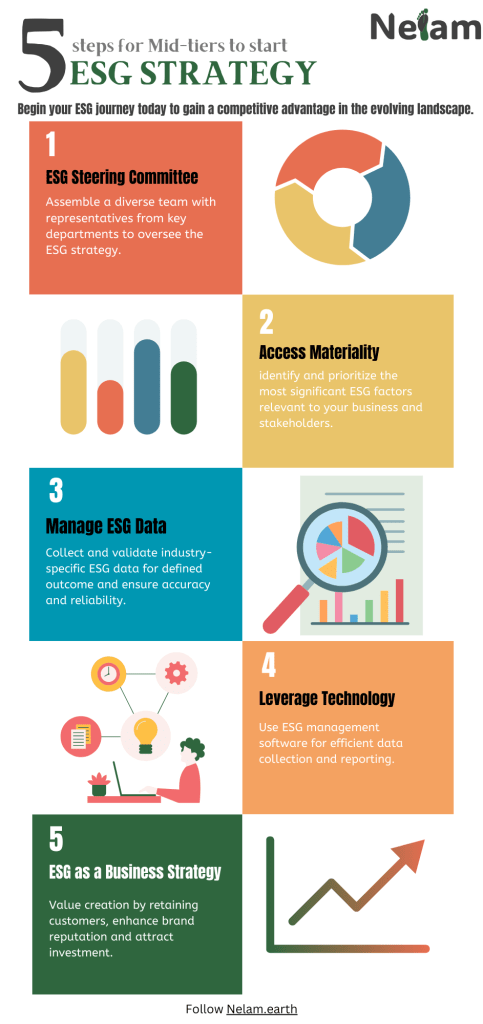
Step 1: Set an ESG Steering Committee
The first step toward successful ESG reporting is creating a steering committee. Key stakeholders across departments will oversee the planning, implementation, and continuous improvement of your company’s sustainability efforts.
For mid-tier companies, the steering committee should ideally consist of:
- C-suite executive to set a vision, lead and champion the initiative.
- Representatives from the Marketing, Finance, Operations, HR teams to relay business practice and strategy execution.
- Sustainability Expert to manage the change and drive outcome.
The ESG steering committee will be responsible to identify relevant ESG metrics for your business and align the company’s operations with sustainability goals.
Step 2: Conduct Materiality Assessment
Sustainability and ESG is a large umbrella. A materiality assessment helps you determine which factors are most important to your company and stakeholders within a specific industry. This ensures your ESG strategy focuses on the areas that have the highest potential impact.
Getting started with Materiality Assessment:
The results of this materiality assessment should inform your ESG reporting and sustainability strategy.
- Engage with stakeholders: Identify what matters most to employees, customers, investors, and regulators. Rank these issues based on their relevance to your company and their importance to your stakeholders within your industry. MSCI Industry rating is a good starting point.
- Benchmark against peers: Review industry best practices and competitors to ensure you aren’t missing key issues. Research key sustainability issues within your industry and involve stakeholders to prioritize these concerns. Consider ESG factors like carbon emissions, supplier labour practices, and water and waste management and compare market leaders using Sustainalytics ESG comparison tool.
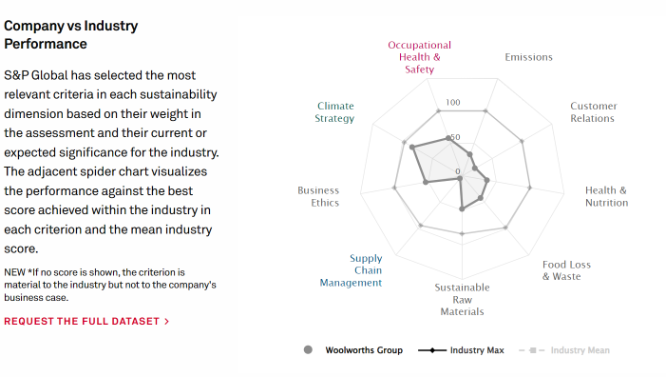
- Prioritize your issues: Map ESG factors according to your industry with S&P ESG Score card and importance to your stakeholders that creates a potential impact on your business.
By conducting a thorough materiality assessment, you can ensure that your sustainability strategy aligns with your core business goals and the evolving expectations of your stakeholders.
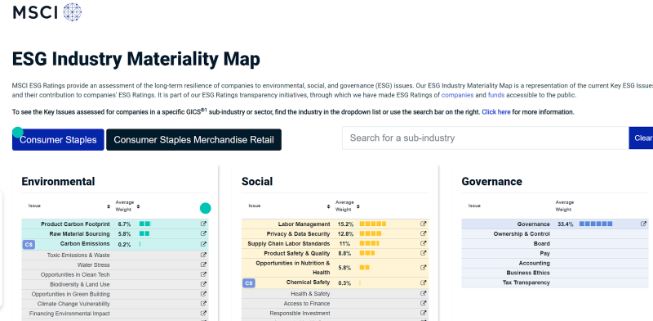
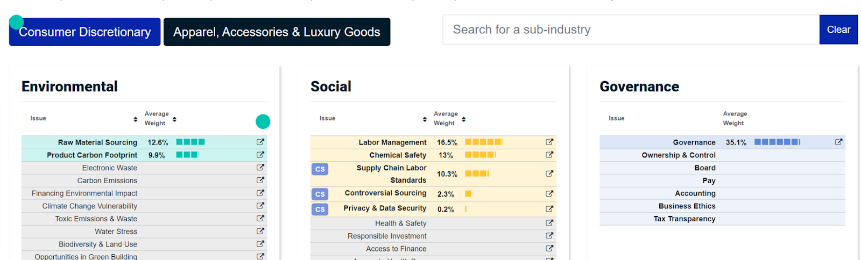
Source:MSCI Industry rating
Step 3: ESG Data Management
Data collection is often one of the most daunting tasks for companies engaged in any transformation and ESG is no different. However, by setting up proper systems and processes early, you can ensure that your data is both reliable and meaningful.
1. Identify Industry-Specific ESG data:
Identify relevant ESG metrics based on your industry and business model. Collect data from internal systems, external sources, and stakeholder surveys. This can vary by industry—such as emissions, energy usage, or labor practices. Utilize internal systems (like ERP tools), external data sources (surveys, third-party reports), and IoT devices to gather comprehensive, accurate, and timely data
For example:
- Energy: Measure renewable energy usage and carbon intensity.
- Manufacturing: Track energy consumption, GHG emissions, and waste reduction.
- Fashion: Focus on sustainable sourcing, waste management, and labour practices.
2. Data validation for Accuracy:
Implement processes to ensure the collected data is accurate, complete, and consistent across reporting periods. This may involve automated validation tools, internal audits, or cross-referencing with industry benchmarks. High-quality data is critical for reliable reporting and informed decision-making.
Ensure that your ESG data collection aligns with standards such as the Australian Sustainability Reporting Standards (ASRS), introduced with the 2024 climate bill. Implement robust internal controls and data validation mechanisms to ensure that data is accurate and consistent.
3. Data Analysis & Communication:
For mid-tier companies, transforming your data into an accessible, stakeholder-friendly insight is essential. Highlight key metrics aligned to goals set by steering committee, efforts in sustainable practices and areas to improve.
While large companies can choose from several ESG reporting frameworks. The most commonly used include:
- Task Force on Climate-related Financial Disclosures (TCFD): Mandated in Australia under the new climate bill, with a focus on climate-related risks and scenario analysis.
- Global Reporting Initiative (GRI): Offers universal standards across industries.
- Sustainability Accounting Standards Board (SASB): Focuses on financial materiality for investors.
Step 4: Technology Tools to Streamline ESG Reporting
Technology plays a pivotal role in streamlining ESG reporting, making the process more efficient, accurate, and scalable. Many businesses are turning to ESG management software that integrates data collection, reporting, and analytics, making it easier to manage complex data points across different departments.
- Cloud-based platforms like NetSuite offer specialized ESG modules that allow businesses to track environmental data such as carbon emissions and energy consumption.
- Tools like Salesforce Sustainability Cloud and Workiva provide real-time insights and help automate climate reporting.
Adopting these tools now will allow mid-tier companies to build a scalable ESG reporting system, meeting both current needs and future regulatory demands.
Step 5: ESG into Your Business Strategy
Sustainability should be more than a compliance task—it’s a strategic opportunity. Companies that view ESG reporting as an opportunity to strengthen your business and not just a compliance obligation. Companies that integrate ESG considerations into their overall business strategy can:
- Enhance brand reputation and meet customer demand for sustainability.
- Retain large customers, qualify for tenders and funding.
- Attract investment from funds and investors prioritizing ESG performance.
Incorporating ESG into your business decisions will provide long-term financial benefits while meeting the expectations of employees, customers, regulators and investors.
Final Thoughts: The Time to Act Is Now
The future of Australian companies is intertwined with sustainability adoption. With mandatory climate reporting becoming a reality in 2025, now is the time for mid-tier companies to start preparing and make ESG a competitive advantage.
At Yosipom, we help mid-sized companies build and execute robust sustainability strategies. From materiality assessments to climate reporting, we guide you through the ESG journey. Contact us today to get started.
Get started now, and your business won’t just adapt to the changing landscape—it will thrive in it.

 Yosipom